Section 06
Ecosystem
Bridges and switches, IP cores, verification models, connectors and test equipment: the product categories a PCI Express solutions catalog is built from.
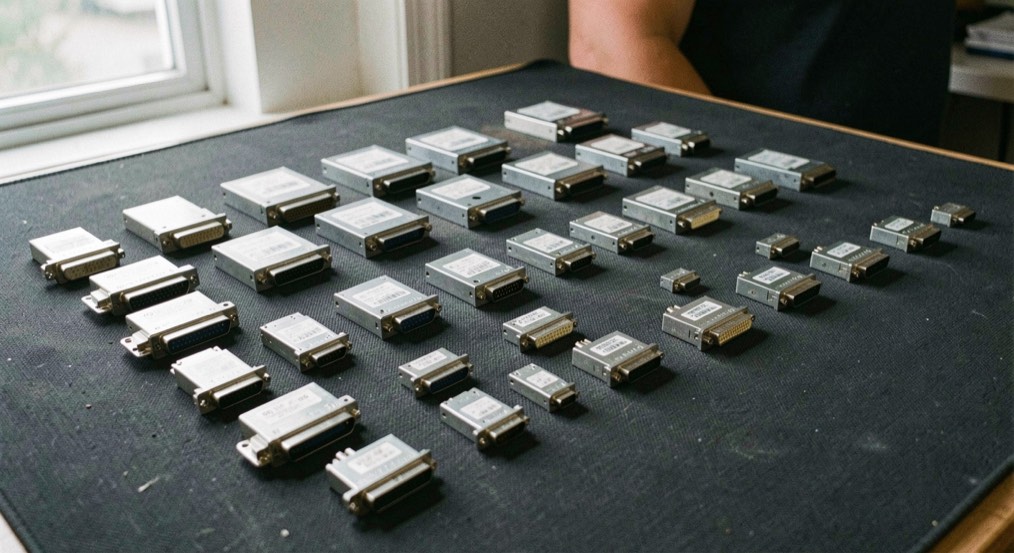
What a solutions catalog was for
In the first decade of this interconnect, a designer who needed a bridge, a physical layer block or a verification model had no obvious way to find out who made one. The answer, at the time, was a catalog: a list of participating companies organized by what they sold. This domain carried one. The list of participants is gone and is not reconstructed here, for a simple reason: naming companies as members of a group that no longer exists, on the authority of an archived page, would be a claim about them that nobody can check today.
What survives, and why it is the useful part
The structure of that catalog survives in the public archive of this domain, and the structure is what a reader can actually use. The captured category paths are asic, bfm, bridges and switches, chipset core logic, collateral, connector and mechanical, ExpressCard, foundry, fpga and pld, general purpose input output, graphics, ip house, manageability, networking, oem and odm, server input output, software and firmware, storage, and tools and test equipment. Nineteen headings, and each one names a real kind of company with a real place in a design. They are explained one by one in the catalog roster.
Why does a category list matter now?
Because the categories did not go away when the catalog did. A team building a controller today still buys a licensed block, still verifies it against a model of the other end, still chooses a connector supplier and still books time on test equipment. Knowing which category a supplier belongs to is knowing what to ask them for, and that is a durable piece of knowledge in a field where product names change every two years.
The two categories with the most weight
Switching silicon decides the shape of a system: how many devices hang off one host port, and what the software sees behind them. Design blocks decide the schedule: most silicon of this kind is assembled from licensed controller and physical layer cores rather than designed from scratch, and verified against models that pretend to be a link partner. Those two are covered in bridges and switches and in IP cores and verification models.
What this section will not do
It will not rank suppliers, will not recommend one, and will not publish a directory. This is a reading desk, not a marketplace, and the rules that keep it that way are on the sponsored content policy.
The other doors of the publication: Link Basics, Generations, Form Factors, Compliance, Topology and Bench Notes. Every one of them points back to the link speed table.
In this section
7 pages, newest first.
-
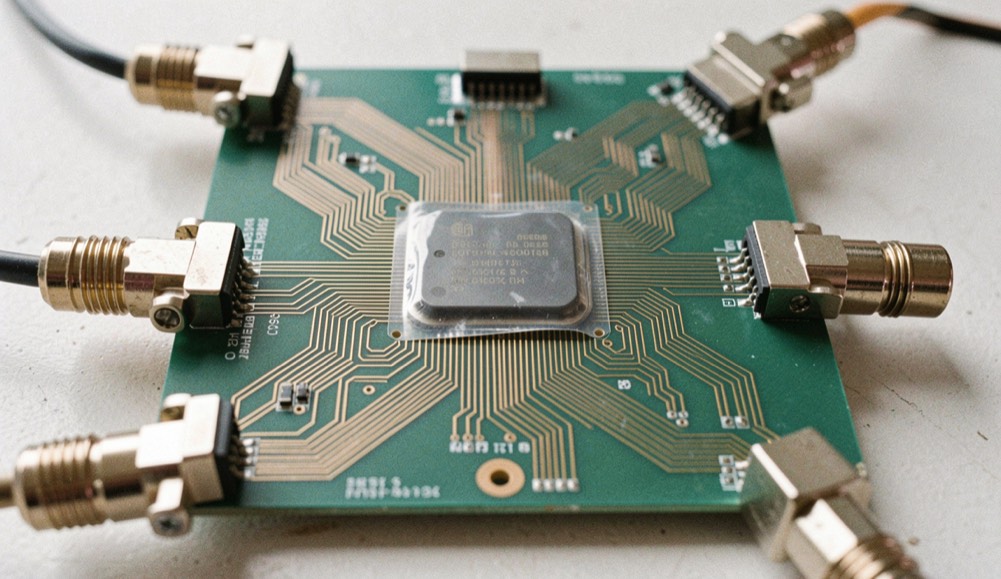
Bridges and Switches, and the Difference
Bridge and switch are used interchangeably in product names and never in the specification. The distinction is worth holding on to, because it decides what the software sees.
September 6, 2026
-
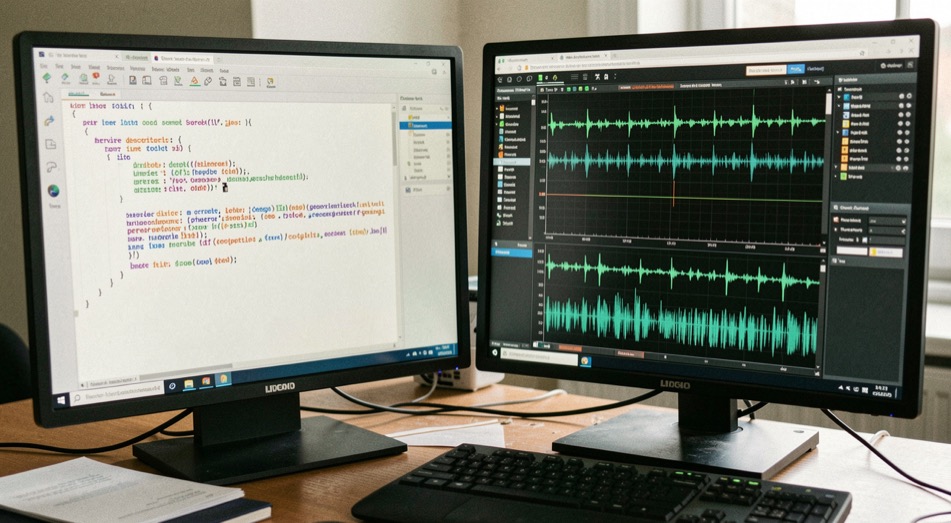
IP Cores, Verification Models and Who Buys Them
Most PCI Express silicon is not designed from scratch. It is assembled from licensed blocks, and verified against models that pretend to be the other end of the link.
September 6, 2026
-

What qualification owes a part
A qualified part is a part with a file, and reading who measured what under which conditions is the discipline of trusting it.
September 6, 2026
-
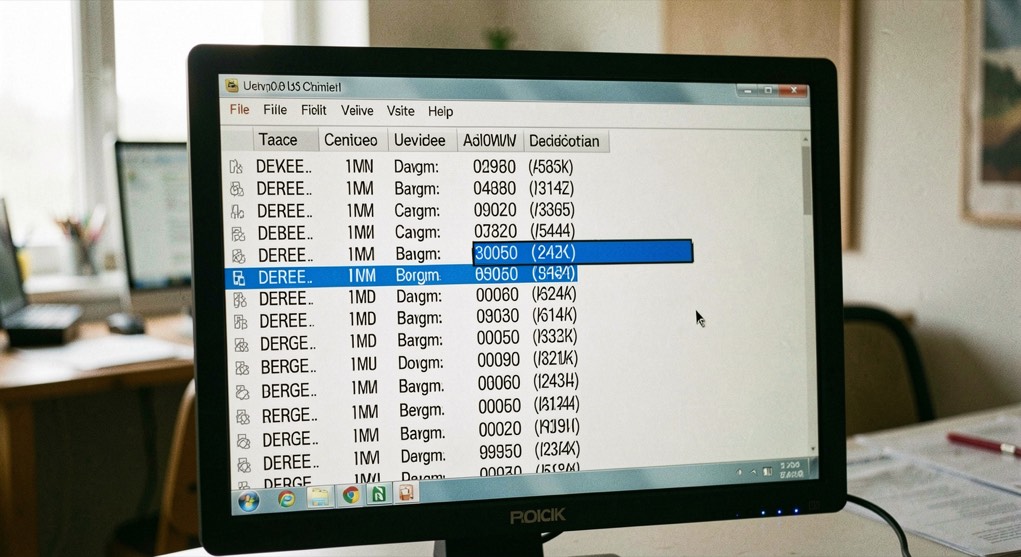
Reading device identity from configuration space
A PCI Express function reports its identity through a small set of read-only registers in configuration space: Vendor ID, Device ID, Revision ID, Class Code, Subsystem Vendor ID and Subsystem ID.
September 6, 2026
-

Datasheet claims vs the standard behind them
A datasheet is a supplier's document, not the specification it cites.
September 6, 2026
-
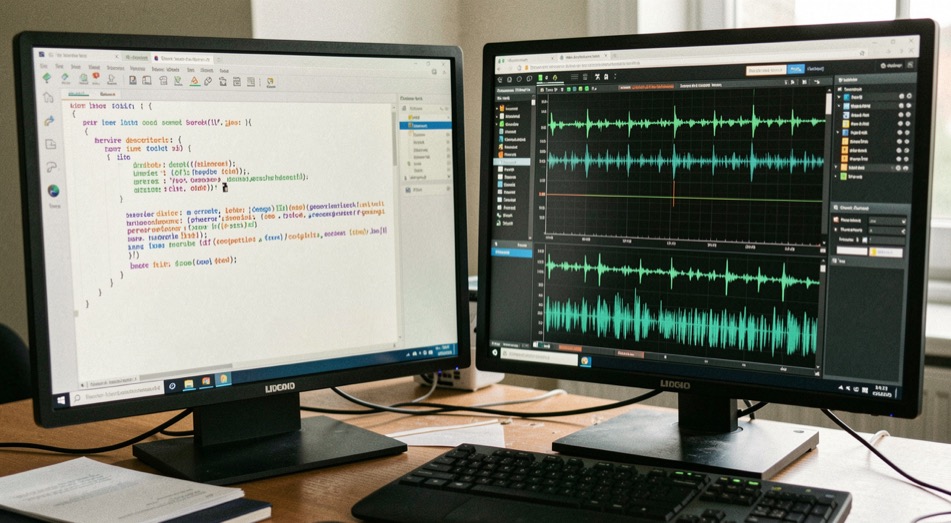
What a reference design fixes, and what it leaves
A reference design is a working baseline: a schematic, a layout, a bill of materials and a set of configuration defaults that already satisfy one plausible use of the silicon.
September 6, 2026
-
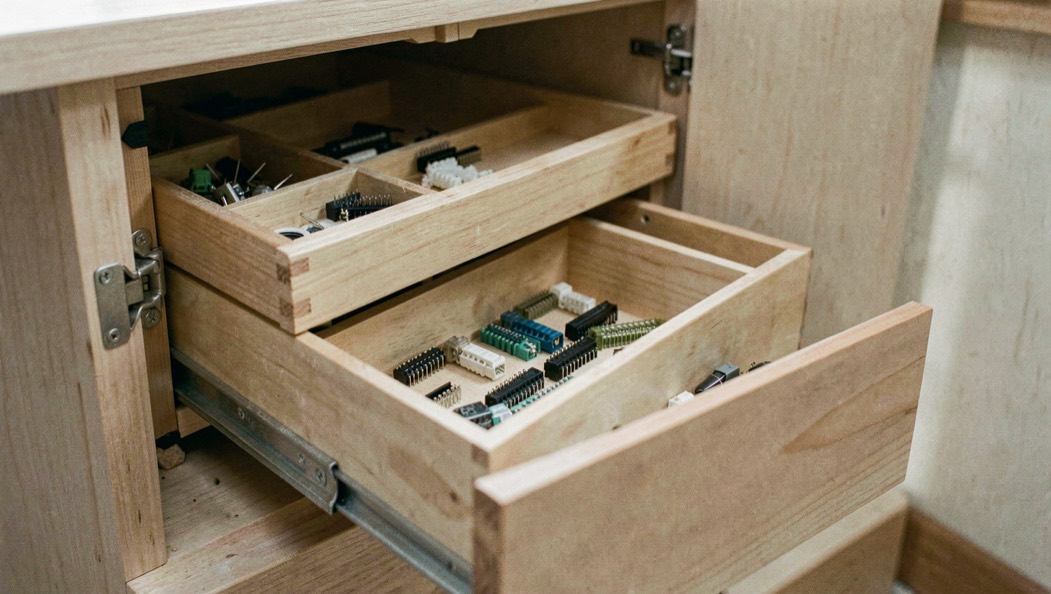
The Solutions Catalog, Category by Category
This address used to hold a roster of catalog participants. The roster itself is gone and is not reconstructed here. Its structure survives in the archive, and the structure is the useful part.
September 5, 2026